RAIZ's commitment to providing innovative and specialized services for the forestry industry translates into Iberian leadership in the supply of advanced analytical services for application in forestry, the pulp and paper industry, and biorefineries.

foto@3x.png

Central Laboratory and Services

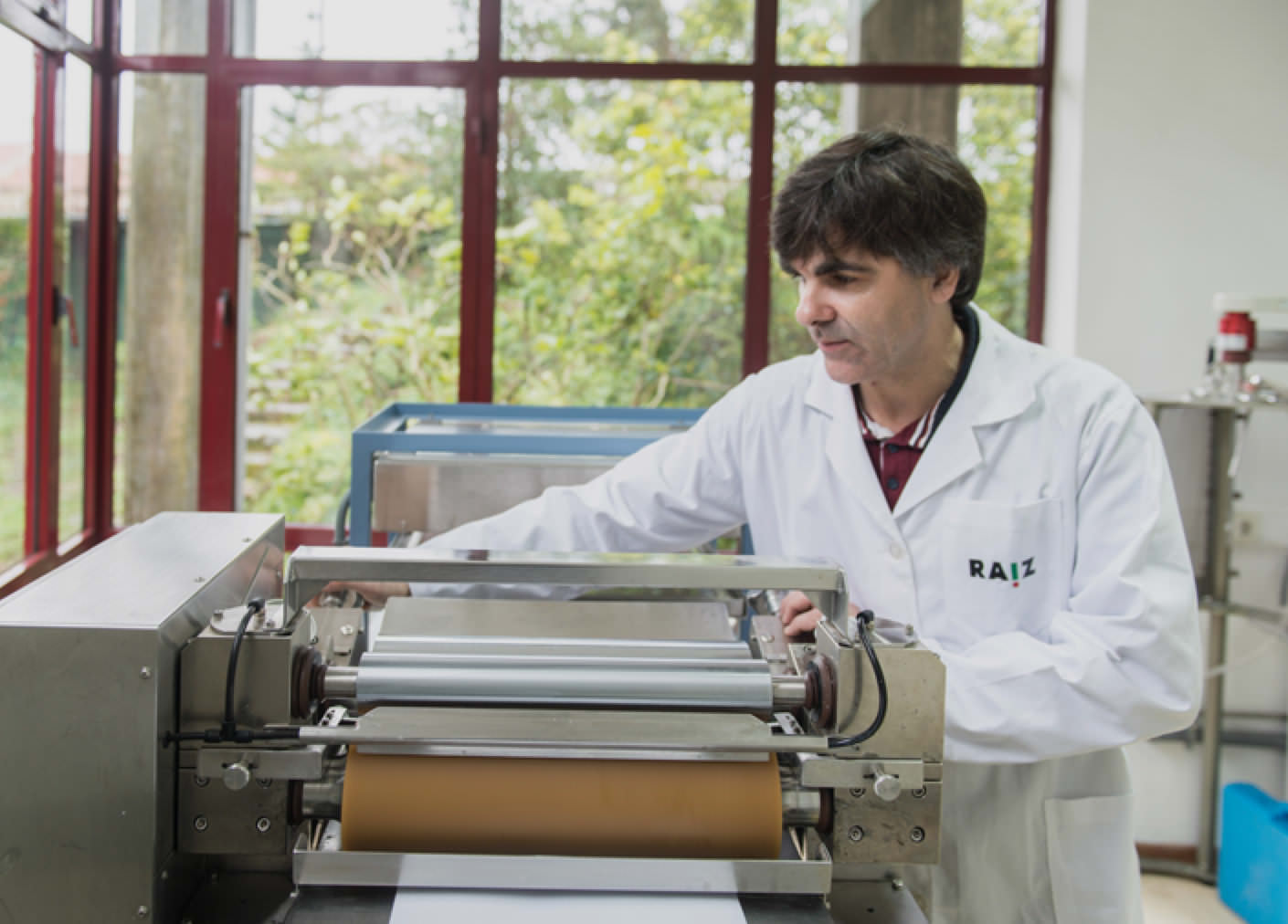
The RAIZ Central Laboratory provides specialized services and testing for industry, research and development.


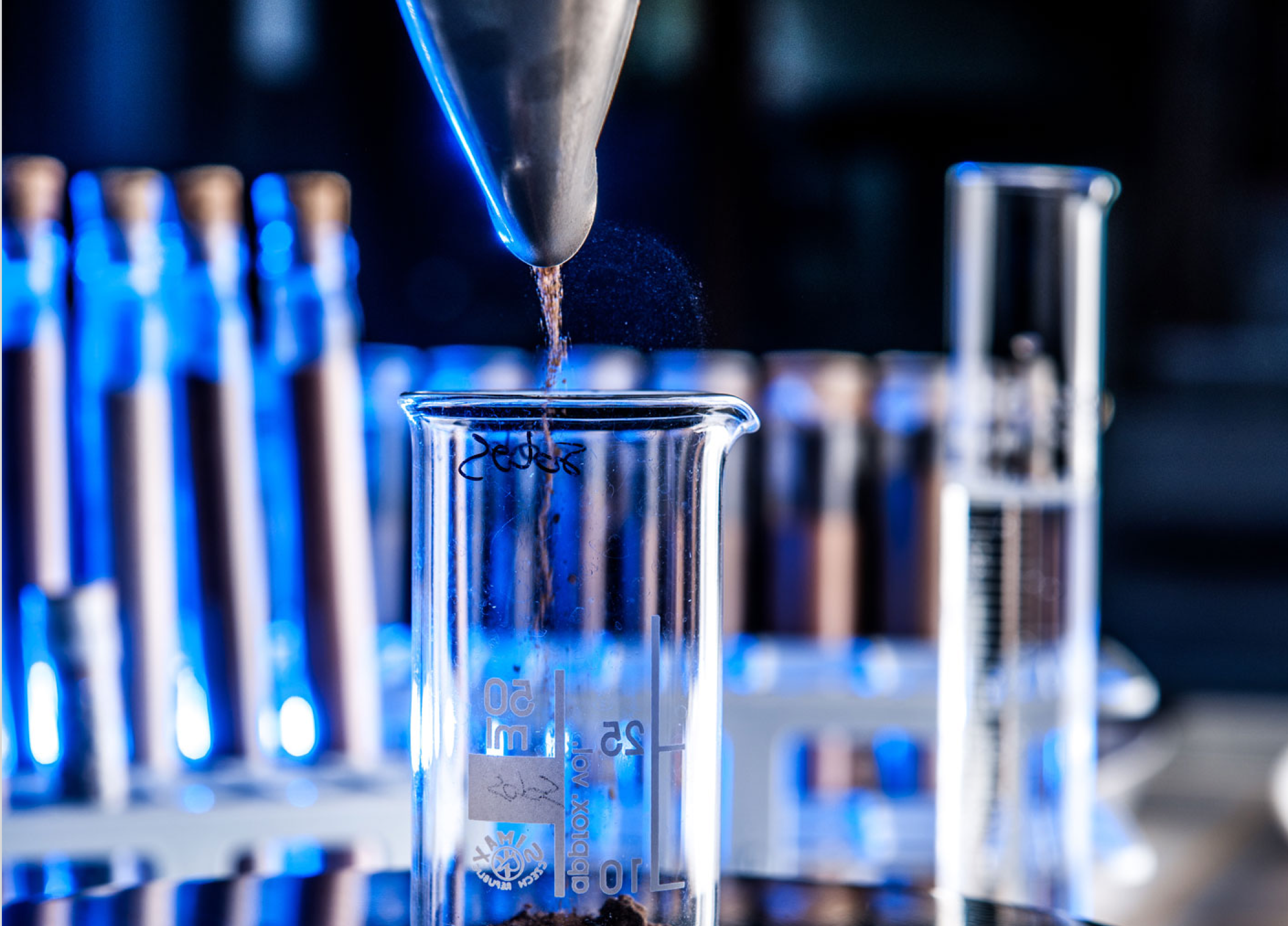
In our laboratories, tests and analyses are carried out on matrices such as wood, pulp, paper, water, effluents, solid waste, sludge, soil, plant material, among others.


The research methods used by the laboratory comply with international standards:
ISO standards@3x.png

Widely applicable standards

logo-cen@3x.png

European Committee for Standardization

logo-cen@3x.png

Scandinavian Pulp, Paper, and Board Testing committee

tappi-logo@3x.png

Technical Association of the Pulp and Paper Industry

astm-logo-svg@3x.png

American Standard for Testing and Materials


The RAIZ testing laboratory is accredited by the Portuguese Accreditation Institute - IPAC http://www.ipac.pt/pesquisa/ficha_lae.asp?ID=L0017 according to the normative reference NP EN ISO / IEC 17025: 2005. RAIZ has also implemented the KLIMS software since 2015, constituting an IT tool that aggregates the laboratory's overall information.

pessoas@2x.jpg

Main Areas of Activity

  • Sample preparation (drying, crushing and grinding);

  • Analysis of soils and plant material (classical chemistry);

  • Analysis of biomass, wood, and pulp;

  • Analysis of process streams, effluents and waste;

  • Chemical, physical-mechanical and optical-structural analysis of pulp and paper;

  • Biometric analysis, microscopic analysis, and fiber identification;

  • Cooking and Blanching Studies;

  • Studies of new processes and products (biorefineries).

Main Equipment

Cooking and Blanching Laboratory


  • Rotary reactors;

  • MK Reactor;

  • Pressurized reactor for oxygen;

Paper and Tissue Laboratory


  • PFI Mill;

  • Semi-automatic laboratory sheet former;

  • Shopper Riegler;

  • Absorption Beyond;

  • Gurley porosity;

  • Bendtsen permeability;

  • FX 3300 permeability;

  • Robustness;

  • Tensile properties;

  • Internal connections;

  • Cobb water absorption;

  • Water retention value, WRV;

  • Tearing;

  • Bursting;

  • ISO whiteness;

  • Reversal of whiteness;

  • Opacity;

  • Specific coefficient of light absorption;

  • Evaluation of impurities and shives by transmitted light

Chemical-Instrumental Laboratory


  • NIR – Near-Infrared Spectroscopy;

  • FTIR-ATR – Fourier Transform Infrared Spectroscopy and ATR Microscope;

  • Elemental analysis - C,N,S,O,H;

  • Molecular absorption spectrophotometry;

  • Potentiometry and Conductimetry;

  • ICP-AES – Induced-coupled plasma atomic emission spectroscopy;

  • Mercury analysis using a cold generator;

  • L&W Fiber Oxidation Questionnaire (FQO)

  • Microscopy and microphotography;

  • Ultra homogenizer for the production of nano cellulose;

laboratorio_protecao_florestal.jpg

Forest Protection Laboratory

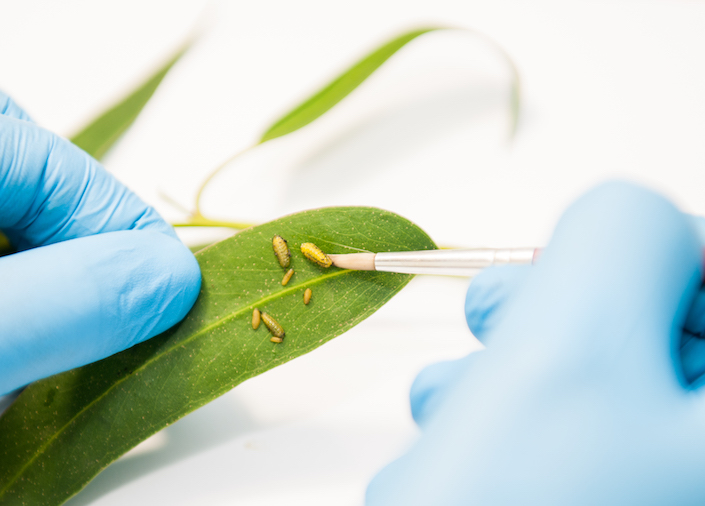
The Forest Protection Laboratory studies pests and diseases associated with eucalyptus in Portugal.


One of the main activities of this laboratory is the study and production of insects for the biological control of pests. Here, for example, insects that act as natural enemies of the eucalyptus weevil (Gonipterus platensis) are produced. Specific Australian insects of the mimosa acacia (Acacia dealbata) are also being studied, which may be used in Portugal as biological control agents for this invasive plant.

Viveiro-de-ID-e-produЗ╞o-de-plantas.jpg

Plant research and production nursery

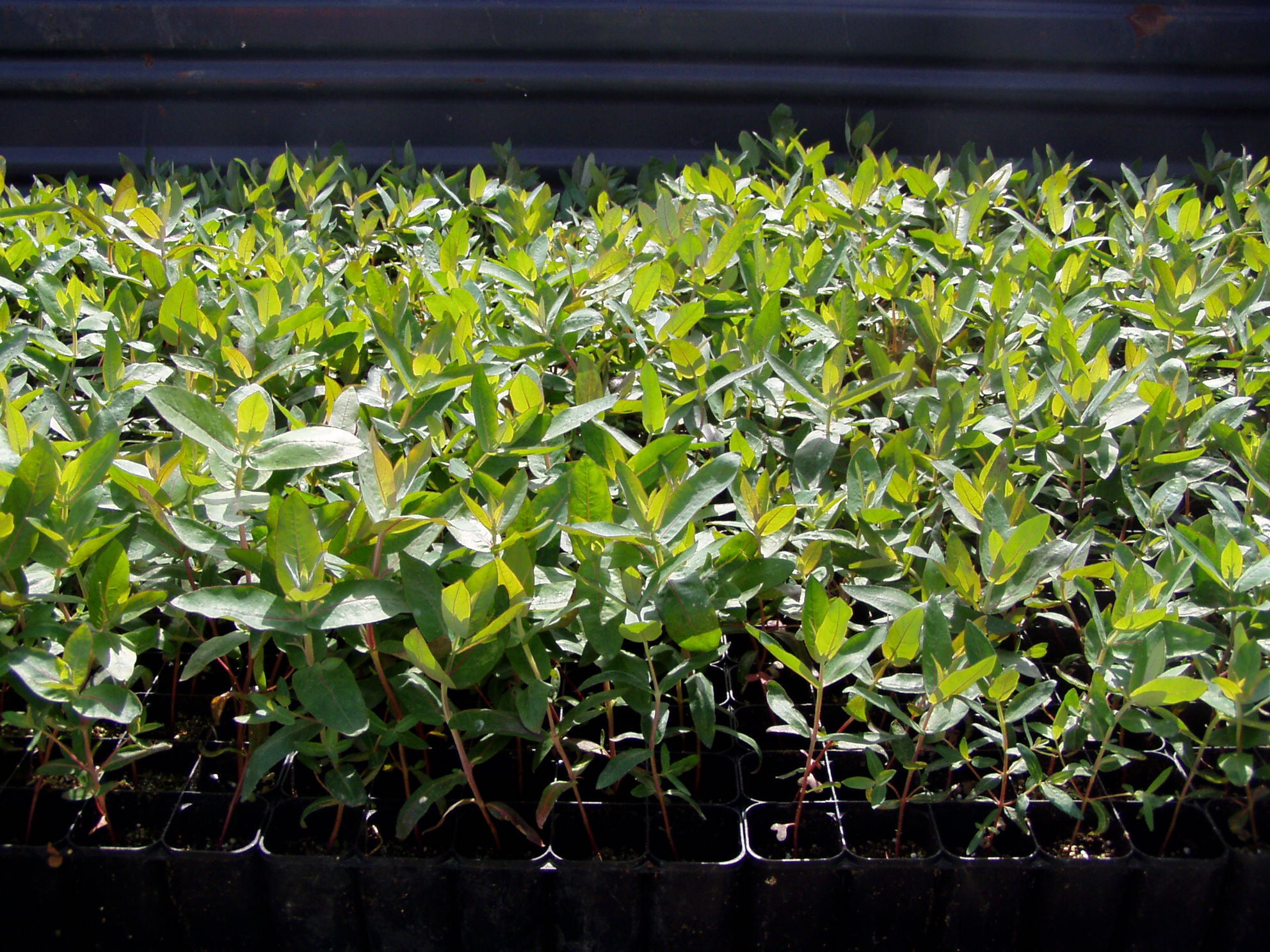
The RAIZ plant research, development and production nursery is located on the Espirra Estate.


Their activity is centered on the Genetic Improvement Program, with the production of clonal and weekly plants for trials, the carrying out of grafts for the hybridization park, and the collection of information on the rooting capacity of different materials, especially in the clones to be transferred to the Aliança Nurseries.

In the nursery, we also conduct research on factors that influence the cloning process and study new plant production techniques.

greenhouse@3x.png

05 greenhouses

shadow@3x.png

01 A house of shadows

plant@3x.png

02 two parks for plant hybridization (1 indoor, 1 outdoor)

field@3x.png

02 two mother-foot parks (1 external for large piles, 1 internal for small piles)

The Forest Biotechnology Laboratory is also located in this area.

We apply techniques for controlling the genetic quality of the breeding program, such as paternity testing, determining the degree of selfing in improved seed from orchards, and the level of diversity in populations.
We study genomic selection methodologies that complement classical breeding techniques to increase the efficiency of individual selection in the program. We provide genetically certified clonal plants that will serve as mother plants for large-scale production at Aliança Nurseries.